Muffle FurnacesMuffle Furnaces
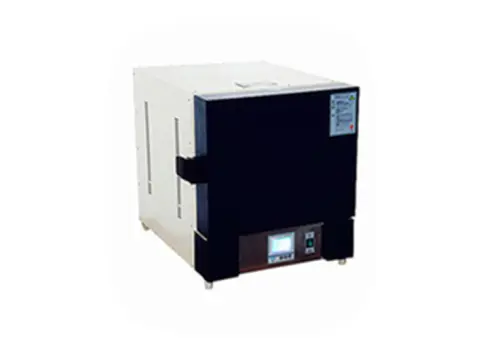
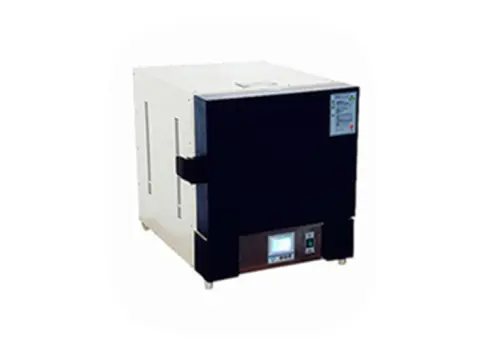
High-temperature sintering, ashing, heat treatment and calcination up to 1700 °C. The line contains 2 models; use the filters, comparison tool and quick selector to identify the right configuration.
Technical Dossier
Six technical documents from principle to acceptance
Industry Cases
Typical inspection tasks and how this product line solves them.
How do I choose the right configuration?
Are the published specifications final?
Do you support sample testing?
Principle
How the measurement works — from physical effect to result.
- , Ceramics, PID
- ,
How do I choose the right configuration?
Are the published specifications final?
Do you support sample testing?
Process
Standard operating sequence, with the step where errors most often occur highlighted.
Typical Duration — Typical cycle: 3–15 min per specimen; the highlighted steps are the main sources of measurement error.
How do I choose the right configuration?
Are the published specifications final?
Do you support sample testing?
Standards
National and international standards governing the method, calibration and acceptance.
| Standard | Scope |
|---|---|
GB/T 30435 | Drying Oven Drying Oven() |
— | JJF 1101 Calibration |
GB/T 212 | (,) |
Which standards apply?
Are the published specifications final?
Do you support sample testing?
Selection Guide
Match operating conditions to the recommended series, then confirm configuration with an engineer.
How do I choose the right configuration?
Are the published specifications final?
Do you support sample testing?
Test Methods
Sample preparation, measurement, verification and acceptance criteria.
- ,
Verify with certified reference blocks: at least 5 evenly distributed points; indication error and repeatability must meet the applicable verification regulation.
Run a pre-shift check with a reference block, keep the indenter and specimen surface clean, and recalibrate the measuring system periodically.